
Upgrading Wheels and Tyres A Brief Guide
Upgrading a vehicle’s wheels to a stylish aftermarket set can seem like an awesome idea, but it can also be a bit frightening. It doesn’t have to be—you just need to look for certain things before placing an order. Below, you’ll find a simple guide to buying the right wheel and tyre package, no matter what you drive.
Choosing the Size of the Wheel and Tyre Package
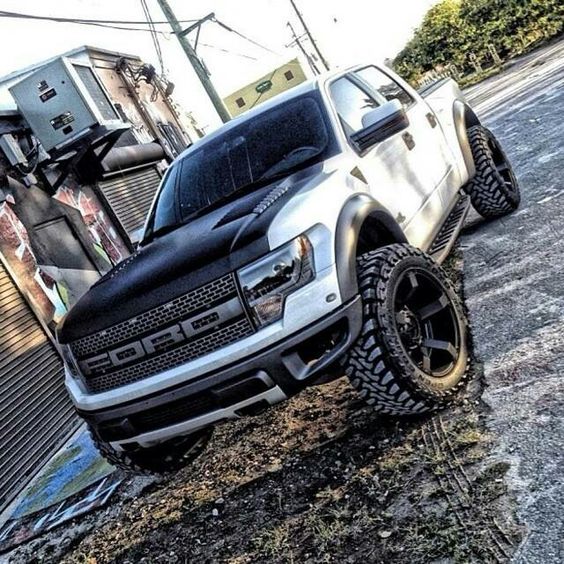
Bigger does not always mean better, and the concept applies equally to wheel and tyre packages. However, if you do decide to upsize your wheels, you have to consider a variety of factors. While large rims near me may look good, they can adversely affect ride quality—and they’re usually more expensive than smaller options. Conversely, wider wheels can accommodate wider tyres, which can provide greater off-road traction. This is vital if you’re using your 4×4 under extreme conditions. Call or visit the site for help in choosing the right wheels and tyres. Ultimately, you should think about the maximum tyre size when choosing 4wd rims. In many cases, you’ll find that choosing a slightly smaller rim diameter can give you an abundance of options. After all, it makes no sense to spend time choosing a nice-looking set of wheels if you won’t be able to find the appropriate tyres to fit them.
Finding and Determining the Vehicle’s Bolt Pattern
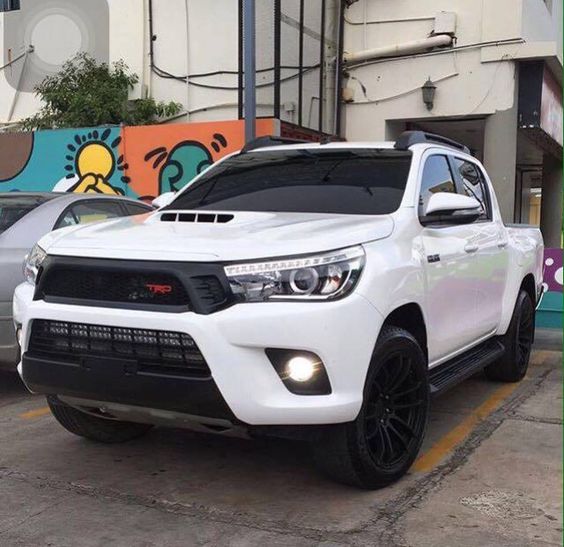
To find a vehicle’s bolt pattern, you’ll need to determine two factors: the number of bolt holes on your desired wheels and the distance between bolts. For instance, a bolt pattern of 6 x 5.5 means that a wheel has six holes that are spaced 5.5” apart when measured across the wheel centre. The only pattern where a different measurement method is used is the five-lug pattern. For these wheels, the measurement is made from the back of one lug hole to the centre of the opposing hole.
Centre Bore, Hub Centric and Lug Centric Wheels
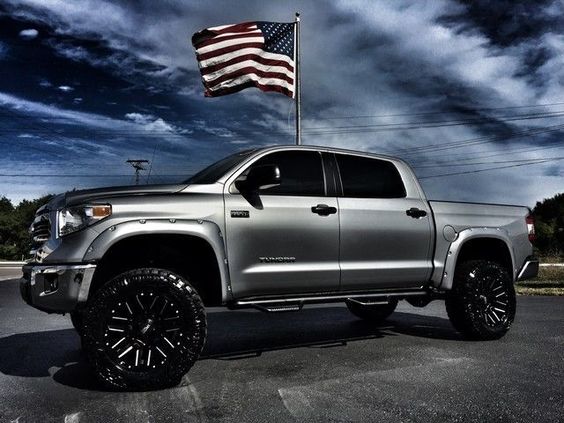
Another important consideration to make is the size of the wheels’ centre bore and whether the wheels are lug- or hub-centric. To learn the size of the centre bore, measure the hole’s diameter as it centres over the hub. A wheel is said to be hub-centric if the centre bore is the same size as the mounting hub. If the measurements differ, the wheels are considered to be lug-centric. Just be sure that your wheels match your choices of Mitsubishi Triton bull bars before buying.
The Right Way to Measure Backspacing
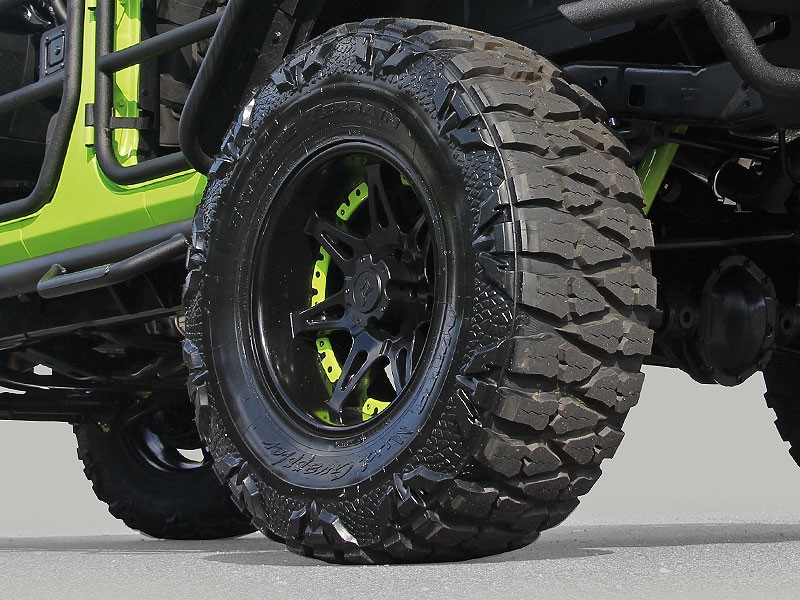
Knowing a vehicle’s backspacing can be useful when buying Toyota Hilux wheel and tyre packages. A wheel’s backspacing can be measured from the middle of the mounting surface to the wheel’s back edge. This measurement can vary widely depending on the wheel’s offset. If a wheel has zero offset, the mounting surface is flush with the centre line. If wheels have positive offset, the mounting surface is toward the wheel front. Wheels with negative offset have a mounting surface closer to the wheel’s back. Finally, let’s discuss backspacing. It is measured in inches, and if you buy wheels with improper backspacing, it’s unlikely that they’ll fit your vehicle well.
Knowing the Maximum Load

Wheels are sold with a maximum load rating, which can be a confusing number for the uninitiated. To determine the weight load, multiply the claimed maximum weight by a factor of four before you buy wheels online. For instance, if a wheel has a load rating of 3000 lbs, the total rating for a vehicle would be 12,000 lbs. Consult a wheel fitment expert for specialized advice.
Matching Wheels to a Lift Kit
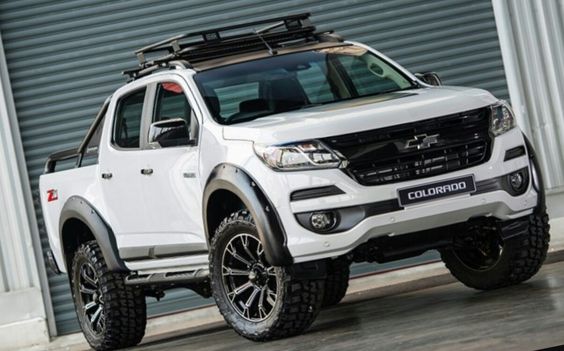
If a 4X4 wheels sydney is equipped with a lift kit, it’s not difficult to find the right wheels and Nitto tyres; you’ll just need a couple more bits of information. To learn which kinds of wheels are made to work with your setup, call the manufacturer of the lift kit. In most cases, the manufacturer can easily provide this information—which makes it that much easier to find the right 4X4 accessories online.
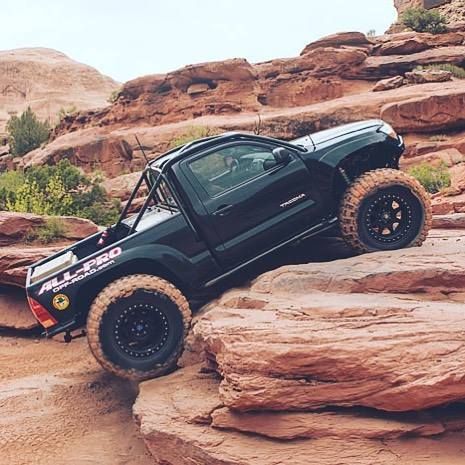
Once you’ve determined your vehicle’s proper measurements and sizing, you’ve made it to the easy and fun part: choosing your wheel and tyre package and picking out other fun accessories. Wheels are typically sold individually, which means you’ll need four (or five if you’re going to have a matching spare tyre). Before you buy, be sure to consult a fitment expert for advice. By following the tips and making the considerations listed here, you’ll find it easier to choose the right wheels, tyres and accessories for whatever you drive.